Brand Overview & History
Founded in Dijon, France (1946), Lapierre has a long-standing reputation for blending race-focused engineering with rider comfort—across road, gravel and MTB/e‑MTB. Notable road platforms have been the Aircode DRS (aero), Xelius SL (lightweight), and Pulsium(endurance), with distinctive 3D Tubular seatstay layout that routes stays past the seat tube to increase vertical compliance. For model year 2025, Lapierre consolidated its performance road range by evolving the Xelius into the new Xelius DRS, intended to fuse the lightness of the former Xelius SL with improved aero from Aircode—framing it as a single, do‑it‑all race machine rather than split model families. A first‑ride test reports a ~900 g frame (standard) and ~790 g for the lightest version, alongside aero gains (~15%) versus previous iterations.
Rider feedbacksentimentreviews
Praises
Road all‑rounding: The new Xelius DRS (2025) is praised for successfully combining low mass with meaningful aero improvements; early testing reports the concept works and remains price‑competitive relative to German “value” brands.

Concerns
Spec & availability variance: As with many European brands, regional specs and availability can differ, which matters for Australian buyers comparing complete‑bike builds.
Overall
apierre’s 2025 range signals renewed focus and modernisation: a unified race road platform.
Feature Product Showcase
Source: Company/brand website. Image source: company product website.
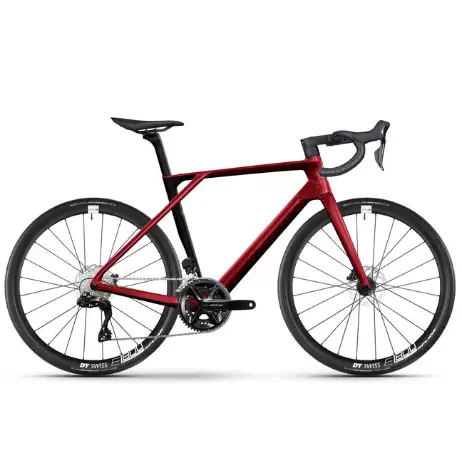
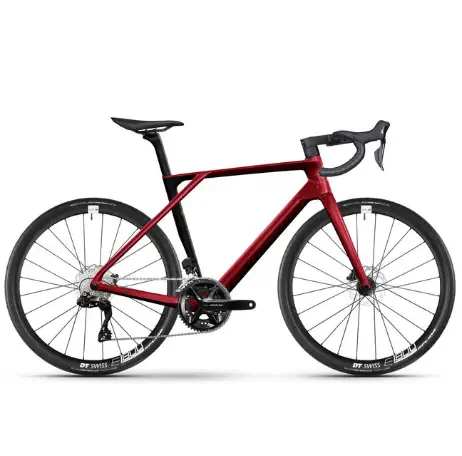
Xelius DRS (2025)
What it is: Lapierre’s single pro‑level road race platform that merges the lightweight brief of Xelius SL with aero learnings from Aircode. A first test indicates ~900 g frame (standard), ~790 g for the lightest spec, with ~15% aero improvement over previous generation benchmarks. It retains Lapierre’s 3D Tubular seatstay concept for added comfort without losing pedalling rigidity. The complete frameset weight with fork, seatpost and integrated cockpit is reported ~2050 g (size M). Positioning is as a one‑bike race solution across terrains—climbs, crosswinds, and rolling courses.
Professional Industry Reviews
Velomotion’s first test underscores Lapierre’s strategy shift—merging lightweight and aero into a single platform—citing ~15% aero gainsand weights around 900 g (standard) and ~790 g (lightest). The article frames it as a versatile race bike aiming to replace separate aero/climber models.
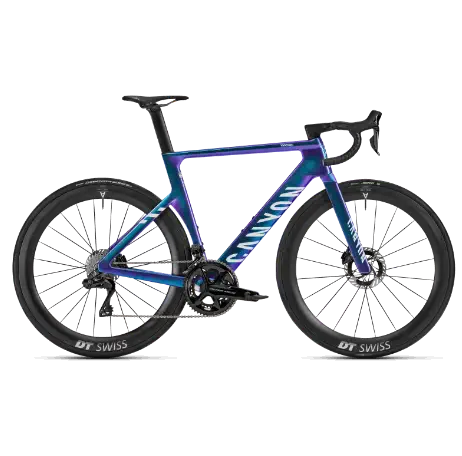
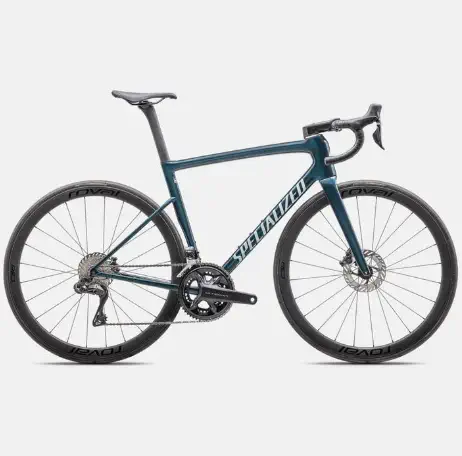
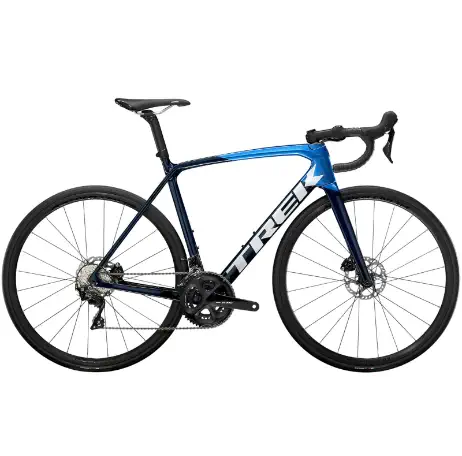
Where Lapierre wins?
Its reported aero gains (~15%) and sub‑900 g frame mass put it within striking distance of category leaders, while retaining Lapierre’s comfort‑aiding 3D Tubular stays.
Brisbane Cyclist Perspective
The Xelius DRS proposition (light + aero + compliance) suits a one‑bike race build that doesn’t compromise on either attribute.