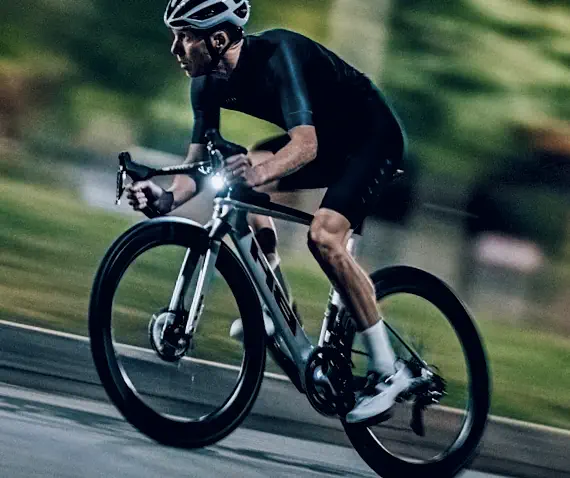
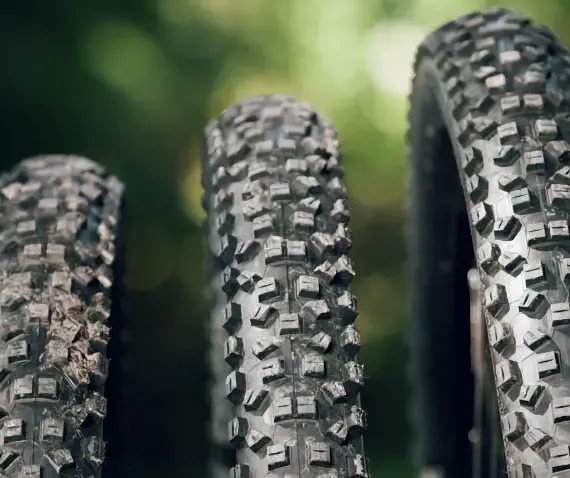
Picture this: You're bombing down an XC trail, wheels churning like oversized pizza cutters, slicing through roots and rocks with the grace of a gazelle on roller skates. Sounds ridiculous? Welcome to the world of 32-inch mountain bike wheels—the latest "big" thing that's got the MTB community buzzing louder than a swarm of angry bees. At Pedal Passion, we've been fielding questions about this emerging trend nonstop, and with 2026 poised for UCI approval, it's time to unpack why these wagon-sized hoops might just revolutionize cross-country riding. We'll geek out on the tech, compare them to trusty 29ers, and throw in some laughs because, let's face it, bigger wheels mean bigger wipeouts if you're not set up right.
Why 32 inches?
Well, mountain biking's wheel size wars never really ended—they just got taller. From 26" relics to the 29er dominance of the 2010s, the logic's always been: bigger rolls better. Enter 32": with a diameter of about 813mm (versus 736mm for 29"), they promise superior rollover, lower rolling resistance, and more momentum. Pinkbike reports UCI greenlighting them for XC racing in 2026, sparking prototypes from BMC, Stoll, and KTM. Early tests show 5-8% faster lap times on smooth, flowy tracks, thanks to a reduced angle of attack on obstacles—think climbing a 10cm root at 15 degrees instead of 20, saving energy.
Tech specs
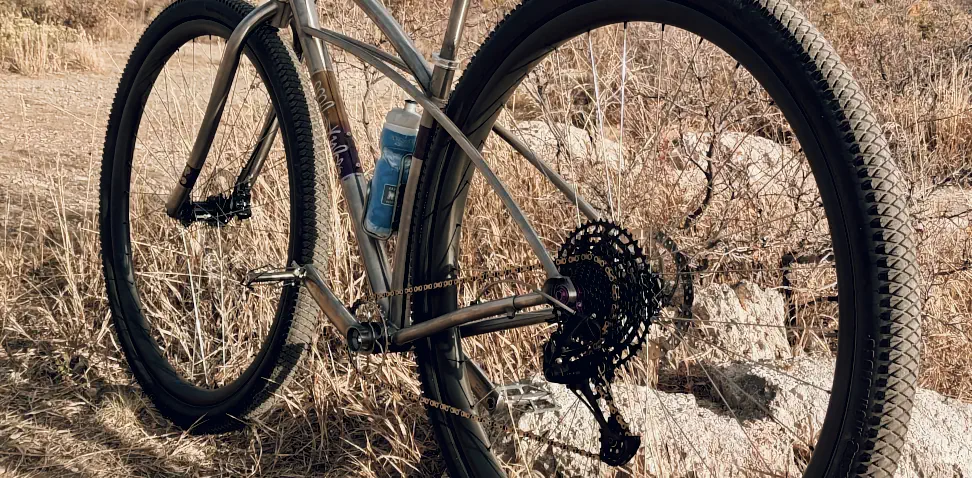
A 32" wheel adds 100-150g per hoop (rims like Bike Ahead's prototypes at 400g), but the real weight comes from tires—Maxxis is developing 2.4-2.6" options at 800-900g each. Total bike weight? Expect 10-11kg for top XC builds, versus 9-10kg for 29ers. But the gains: Blister Review notes 10-15% better traction in loose corners due to larger contact patches. Stability shines too—longer axle-to-crown heights (up to 580mm forks) slacken head angles by 1-2 degrees, making descents feel like cheating gravity.
29" vs 32"
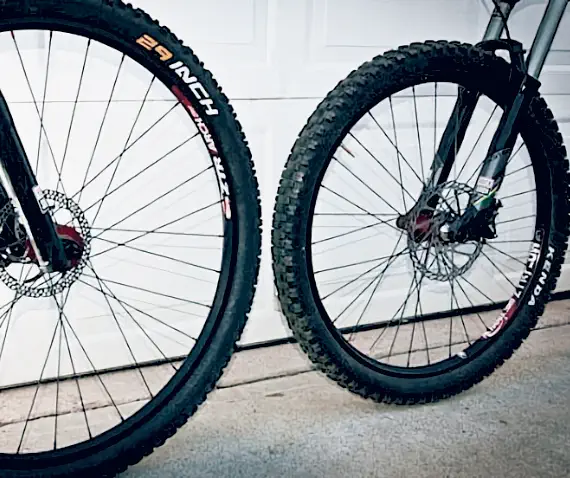
Comparisons time: Versus 29ers, 32" excel in speed on flat-to-rolling terrain. Bicycling's tests show 3-5 watts less needed at 30km/h due to lower drag. But acceleration suffers—10% more inertia means slower sprints. For enduro? Mullet setups (32" front, 29" rear) could balance agility, but clearance issues loom for e-bikes. Shorter riders (under 170cm) might struggle with standover; Sklar Bikes' impressions highlight toe overlap and high centers of gravity. Humorously, if 29ers were "wagon wheels," 32" are straight-up carriage wheels—perfect for tall folks like me, but pint-sized shredders might feel like kids on dad’s bike.
Setup secrets
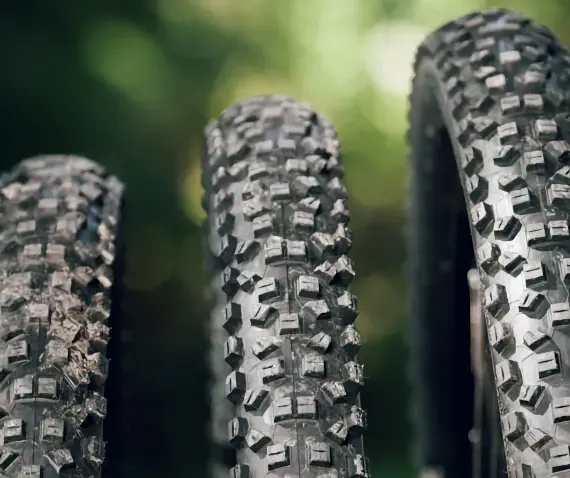
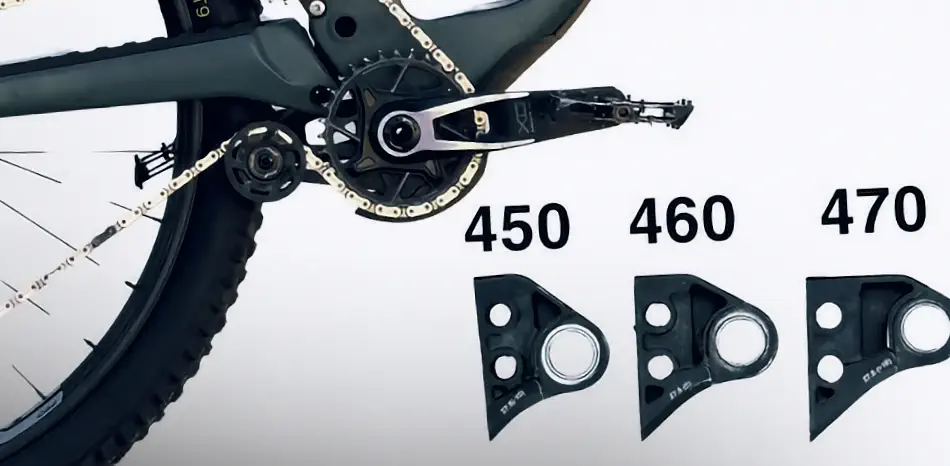
Geometry tweaks are crucial. Frames need taller head tubes (150-160mm) and longer chainstays (450mm+) for balance. Forks like Manitou's prototypes extend to 120mm travel, maintaining BB height at 330mm to avoid pedal strikes. Tires? Tubolito's TPU tubes launch spring 2026, weighing 100g less than butyl. Run pressures 2-3psi lower (18-22psi) for grip. In our shop, we've mocked up hybrids—swap to 32" and feel the rollover magic, but dial suspension sag 25% to counter the height.
Who’s it for?
XC racers chasing podiums— we predict wins in 2026. Trail riders in open terrain will love the speed, but techy singletrack? Stick to 29". Downsides: Limited availability (expect $1,000+ wheelsets) and niche for shorties. X chatter shows mixed vibes—some call it a fad, others a revolution.
At Pedal Passion, we're excited to build 32" customs. It's not for everyone, but if you crave speed with stability, 2026's your year. Just don't blame us if you start eyeing 36" next—bigger isn't always better, or is it?