There's a common misconception among cyclists that a quick hose-down after a ride constitutes adequate maintenance. After all, if your bike looks clean and nothing is obviously broken, surely it must be fine, right? Unfortunately, this approach to bike maintenance is the bicycle equivalent of wiping down your kitchen counter while ignoring the grime accumulating behind the appliances. The real damage—the wear that shortens component life, the corrosion that silently attacks bearings, the grit that transforms expensive lubricants into grinding paste—happens in places you can't easily see. For Australian riders, who face the double threat of fine dust and corrosive coastal conditions, professional deep cleaning isn't a luxury—it's essential preventative maintenance that protects your investment and ensures reliable performance.
The Three-Stage Approach to Professional Deep Cleaning
Professional deep cleaning is fundamentally different from a quick wash, and understanding this difference explains why it matters. At Pedal Passion, we approach deep cleaning as a three-stage process: thorough cleaning, careful drying, and protective treatment. Each stage serves a specific purpose, and skipping or rushing any stage compromises the entire process. This methodical approach ensures that your bike doesn't just look clean—it actually is clean, in every nook, cranny, and hidden space where damage accumulates.
The cleaning stage itself involves more than surface treatment. We remove components like the drivetrain, seatpost, and wheels to access areas that are impossible to clean properly when assembled. This disassembly allows us to eliminate accumulated grime in bottom bracket shells, headset cups, and derailleur pivots—areas that trap contaminants and accelerate wear. The fasteners—those humble bolts that hold everything together—receive special attention, as they're among the most overlooked components on any bike, yet their condition critically affects both safety and the ease of future maintenance.
Gotta love Brisbane's Dust and Salt
Australian conditions present a unique challenge that makes professional deep cleaning particularly important. The fine dust common in many parts of Australia acts as a microscopic abrasive when combined with lubricants. This dust doesn't simply sit on surfaces—it works its way into bearings, chain links, and pivot points, creating a grinding paste that accelerates wear dramatically. In areas with regular road maintenance, this dust might be less problematic, but on the chipseal and gravel roads common in regional Australia, dust infiltration is a constant threat to component longevity.
Coastal riders face an even more insidious enemy: salt air. The salt particles carried on sea breezes settle on every surface of your bike, and when combined with humidity, they create an electrolyte solution that corrodes metal at an accelerated rate. This corrosion often starts in hidden areas—inside bottom bracket threads, in bearing assemblies, on the threads of bolts and fasteners—where it's not visible until significant damage has occurred. Regular deep cleaning removes these salt deposits before they can cause permanent damage, extending component life significantly.
The Fastener Factor: Preventing Seized Bolts
One of the most frustrating experiences for any cyclist is attempting a simple adjustment only to discover that a critical bolt has seized. Derailleur hanger bolts that won't budge, stem bolts that round off rather than loosen, bottle cage bolts that snap when you try to remove them—these are the headaches that turn minor maintenance into major problems. The root cause is almost always accumulated corrosion combined with insufficient thread preparation during the last assembly.
At Pedal Passion, our deep cleaning service includes comprehensive fastener maintenance. We inspect every accessible bolt for signs of corrosion, wear, or damage. Any fastener showing signs of deterioration gets replaced before it becomes a problem. More importantly, when we reinstall fasteners, we apply the correct compound—whether that's anti-seize, threadlocker, or appropriate lubricant—based on the specific application. This attention to fasteners is one of those invisible services that pays dividends every time you need to adjust your saddle, replace a bottle cage, or perform any other routine maintenance task.
Drivetrain Deep Cleaning: Beyond the Quick Wipe
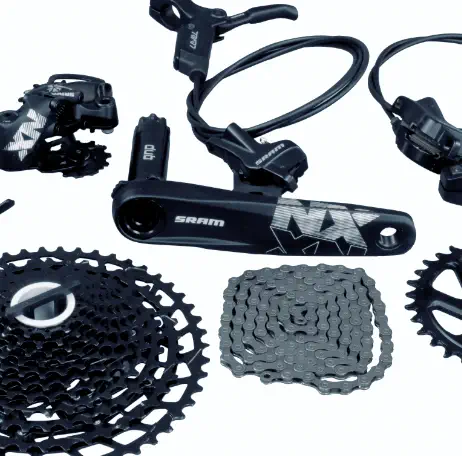
The drivetrain is where the benefits of professional deep cleaning are most immediately apparent. A chain that's been superficially cleaned might look presentable, but the accumulated grit between link pins and plates continues to act as an abrasive, accelerating wear on both the chain and the cassette. True drivetrain cleaning involves removing the chain and cassette, degreasing thoroughly, and ensuring that every surface is clean before reassembly and lubrication. This thorough approach doesn't just make your drivetrain look better—it makes it work better and last longer.
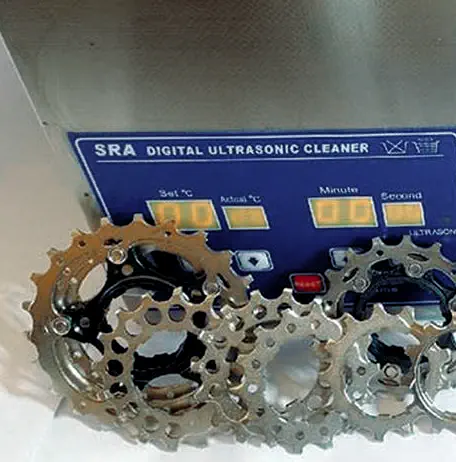
Cassette cleaning is particularly important and often neglected. The spaces between cassette teeth trap a mixture of grit, old lubricant, and road debris that creates a paste-like substance. This mixture accelerates wear on both the cassette and the chain, and it can cause shifting issues that many riders attribute to cable stretch or derailleur misalignment. A properly cleaned cassette shifts more crisply, runs more quietly, and lasts significantly longer than one that's merely had surface dirt wiped off.
Bearing Maintenance: The Hidden Heroes
The bearings in your wheels, bottom bracket, and headset are among the most critical components on your bike, yet they're often the most neglected in terms of maintenance. These precision components operate in a harsh environment—exposed to road spray, dust, and in coastal areas, salt air. Over time, contaminants work past seals and into the bearing races, where they mix with grease to create a grinding compound that accelerates wear. Regular deep cleaning allows inspection of these bearings, catching problems before they lead to expensive replacements.
The drying phase of professional deep cleaning is particularly important for bearing longevity. Moisture trapped in bearing assemblies can lead to corrosion, especially in the presence of salt. At Pedal Passion, we use multiple methods to ensure complete drying, including compressed air and specialized tools that reach into crevices where moisture can hide. This attention to drying is one reason why bikes serviced at Pedal Passion develop fewer corrosion issues than those that are merely washed and left to air dry.
Protection: The Final Layer
Cleaning without protection is a wasted opportunity. Once your bike is thoroughly clean and dry, applying appropriate protective treatments can significantly extend the interval before the next service is needed. Frame treatments help repel dirt and grime, making future cleaning easier. Lubrication of pivot points ensures smooth operation and creates a barrier against corrosion. Anti-seize compounds on threads prevent future seizing. These protective measures are the final step in a professional deep clean, and they're what transform the service from mere cleaning into genuine maintenance.
The choice of lubricants and protective compounds matters, particularly in Australian conditions. Wet lubricants might be messier, but they provide better corrosion protection in humid coastal environments. Dry lubricants attract less dust but might need more frequent application in dusty conditions. Anti-seize compounds must be compatible with the metals they contact—certain compounds can cause galvanic corrosion when used with inappropriate materials. At Pedal Passion, we've curated a selection of lubricants and protective compounds specifically for Australian conditions, and we apply them knowledgeably based on each component's requirements.
The Economics of Prevention
Professional deep cleaning represents an investment, but it's an investment that pays significant returns. Consider the cost of replacing components prematurely: a chain that costs $50-100, a cassette at $80-200, chainrings at $50-150 each, bottom brackets at $100-300, wheel bearings at $50-100 per wheel. Now consider that regular deep cleaning can extend the life of all these components by 50-100% or more, depending on riding conditions. The economics strongly favour prevention over replacement.
Beyond component costs, consider the intangible benefits. A properly maintained bike rides better—smoother, quieter, more responsive. It's more reliable, reducing the chance of a ride-ending mechanical issue. It's more enjoyable to ride, which might be the most important factor of all. And when it eventually comes time to sell or upgrade, a well-maintained bike commands a significantly higher price than one that shows signs of neglect. In all these ways, professional deep cleaning pays for itself many times over.
Frequency Recommendations
How often should your bike receive a professional deep clean? The answer depends on your riding conditions and frequency. For most Australian cyclists, a comprehensive deep clean every 4-6 weeks during regular riding season is appropriate. Coastal riders should lean toward the more frequent end of this range due to salt exposure. Riders in dusty conditions might also need more frequent attention. High-mileage riders—those putting in 200+ kilometres per week—might benefit from even more frequent service.
However, these are guidelines, not rules. The best approach is to have your bike assessed by professionals who can evaluate its condition and recommend appropriate service intervals. At Pedal Passion, we don't apply a one-size-fits-all service schedule—we work with each customer to understand their riding and develop a maintenance plan that keeps their bike performing optimally without unnecessary service. This personalised approach ensures you get exactly the maintenance your bike needs, neither more nor less.