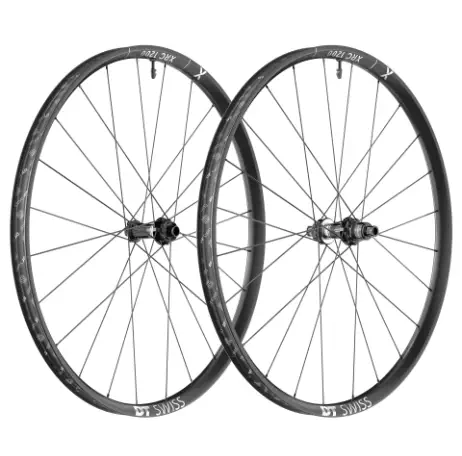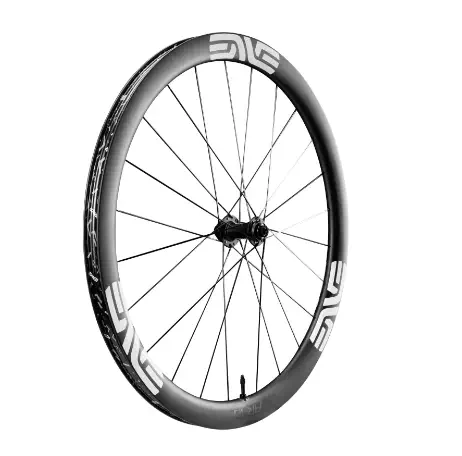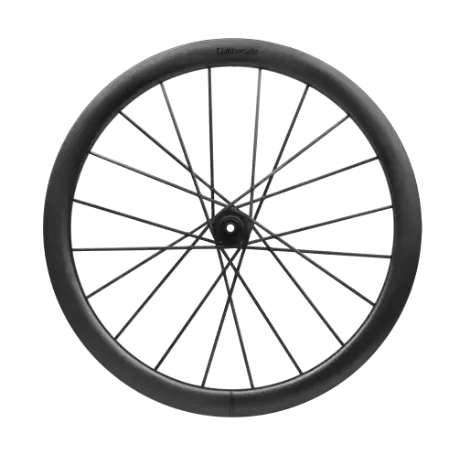
When you look at a beautifully built wheelset, what catches your eye? Probably the sleek carbon rims, the precision-machined hubs, or perhaps the elegant lacing pattern that creates visual interest. But what you can't see—the thing that truly determines whether your wheels will be reliable companions or constant sources of frustration—is the invisible engineering of spoke tension. This is where the true artistry of wheel building lives, and it's the difference between wheels that roll smoothly for thousands of kilometres and those that develop mysterious issues within the first few hundred. At Pedal Passion, we've spent countless hours mastering this invisible art because we understand that perfect spoke tension isn't just a technical specification—it's the foundation of wheel reliability and performance.
Understanding the Physics of Tension
Spoke tension is often misunderstood as simply making spokes tight, but it's actually a sophisticated balance of forces that must work together to create a stable, durable wheel. Each spoke in a wheel is under tension, pulling the rim toward the hub. But this tension isn't uniform—it varies based on spoke position, lacing pattern, and the loads the wheel experiences. When a wheel rolls down the road, each spoke undergoes a complex cycle of loading and unloading as it passes through different positions relative to the contact patch. A properly tensioned wheel manages these forces gracefully, maintaining structural integrity and true alignment despite the constant stresses.
The physics of spoke tension involves several critical factors. The tension must be high enough to prevent spokes from going slack under load, but not so high that it risks damaging rim eyelets or hub flanges. The tension must be evenly distributed across all spokes, ensuring that no single spoke carries disproportionate load. The differential tension between drive-side and non-drive-side wheels must account for the asymmetrical forces created by the drivetrain. Managing all these variables simultaneously is what separates competent wheel builders from true craftsmen, and it's the secret to building wheels that perform exceptionally in real-world conditions.
The Role of Even Tension Distribution
Perhaps the most critical aspect of spoke tension is even distribution. When spokes are tensioned unevenly, some spokes bear significantly more load than others, creating stress concentrations that can lead to premature failure. You might think that a wheel with varying tension could still roll true—and it might, for a while. But the uneven distribution creates hidden stresses that gradually accumulate, eventually causing spokes to break, rims to warp, or hubs to develop play. This is why simply truing a wheel without addressing tension distribution is a temporary fix that often leads to recurring problems.
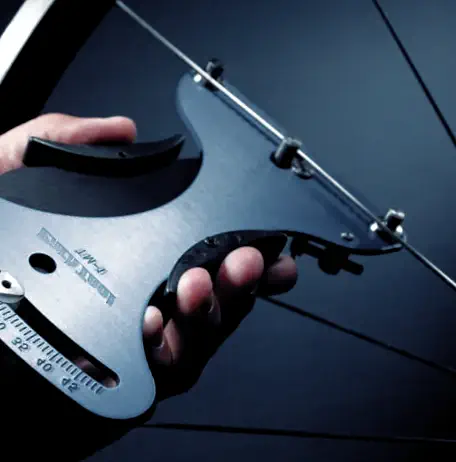
At Pedal Passion, we use precision tension meters to measure spoke tension during the building process, ensuring that each spoke carries its fair share of the load. This attention to detail is particularly important for Australian conditions, where wheels face unique challenges. The heat of a Brisbane summer can cause metals to expand and contract, potentially affecting tension over time. The vibration from rough country roads can accelerate fatigue in poorly tensioned wheels. Building wheels with even tension distribution from the start creates a system that's more resilient to these environmental stresses and less likely to develop problems down the road.
Stress Relieving: The Step Many Builders Skip
One of the most important yet often-overlooked steps in wheel building is stress relieving. When spokes are tensioned, they develop internal stresses at the bends around hub flanges and at the nipple ends. These stresses can cause spokes to gradually relax and lose tension over time, which is why newly built wheels often need to be re-tensioned after a few hundred kilometres. However, proper stress relieving during the building process can significantly reduce this initial tension loss and create more stable wheels from day one.
The stress relieving process involves deliberately overstressing spokes to help them settle into their tensioned state. Various techniques exist—some builders use pliers to bend spokes, others gently press on adjacent spoke pairs—but the principle remains the same: helping spokes overcome their natural tendency to want to return to a relaxed state. At Pedal Passion, we've developed stress-relieving techniques that work effectively across different spoke types and wheel configurations, and we incorporate this step into every wheel we build. The result is wheels that maintain their tension more consistently and require less frequent maintenance than wheels that skip this critical step.
Tension Relative to Rim Strength
Every rim has a maximum tension rating, and exceeding this limit can cause serious problems. Rim manufacturers provide specifications for maximum spoke tension based on rim design and materials, but these ratings are maximums, not targets. The optimal tension for a given wheel depends on multiple factors: spoke count, spoke gauge, rim strength, rider weight, and intended use. Building a wheel to the absolute maximum tension rating might seem like overkill, but it can actually reduce durability by creating excessive stress on rim eyelets and hub flanges.
For Australian riders, understanding tension relative to rim strength is particularly important. Riders who tackle rough roads or gravel surfaces put additional stress on wheels, potentially exacerbating issues created by excessive tension. Coastal riders dealing with salt air corrosion might experience metal fatigue more quickly, making conservative tension choices wise. At Pedal Passion, we don't just blindly chase high tension numbers—we consider the complete picture of how the wheel will be used and build to specifications that balance performance with long-term reliability.
The Challenge of Asymmetrical Rear Wheels
Rear wheels present unique challenges for spoke tension due to the asymmetrical forces created by the drivetrain. The drive side of a rear wheel typically requires significantly higher tension than the non-drive side to maintain proper dish and spoke angles. This differential tension is necessary but creates stress concentrations that must be managed carefully. Finding the right balance between drive-side and non-drive-side tension is one of the more challenging aspects of wheel building, and it's where many amateur builders run into trouble.
The differential tension in rear wheels also affects wheel durability. The higher tension on the drive side can lead to increased spoke fatigue on that side, while the lower tension on the non-drive side might be insufficient to prevent spoke slack under load. Building rear wheels that perform reliably requires careful attention to this balance, along with consideration of spoke gauge and lacing patterns that help distribute forces more evenly. At Pedal Passion, we've developed approaches to rear wheel building that optimise both sides of the wheel, creating systems that are strong where they need to be while maintaining overall wheel stability.
Wheel Building for Different Disciplines
The optimal spoke tension varies significantly between different types of wheels and riding disciplines. Road race wheels built for aerodynamic efficiency and low weight typically use higher tension with lighter spokes, prioritising performance over ultimate durability. Gravel wheels, by contrast, often benefit from slightly lower tension with more robust spokes to better absorb the impacts and vibrations of off-road riding. Time trial wheels, which are used primarily on smooth surfaces and in controlled conditions, might be built to different specifications than wheels intended for daily training on varied road surfaces.
Australian riders' diverse needs—road racing in Melbourne, gravel adventures in Tasmania, daily training in Brisbane, long-distance audax events—require different wheel specifications. At Pedal Passion, we don't build one-size-fits-all wheels. We build wheels optimised for their intended use, considering the specific demands of each discipline and the conditions in which they'll be ridden. This discipline-specific approach ensures that every wheel we build serves its rider's needs while maximising durability and performance.
The Impact of Temperature on Tension
One factor that many wheel builders overlook is the effect of temperature on spoke tension. Metals expand and contract with temperature changes, and while these movements are small, they can affect spoke tension enough to cause noticeable changes in wheel performance. This is particularly relevant for Australian riders, who regularly experience temperature extremes—from winter mornings in the single digits to summer afternoons approaching 40 degrees Celsius. Wheels that are perfectly tensioned in a climate-controlled workshop might behave differently in the heat of a midday ride.
Building wheels to accommodate temperature variations requires understanding the thermal expansion characteristics of the materials used and building with appropriate tolerance. At Pedal Passion, we've learned through experience how to build wheels that maintain their performance across the temperature ranges Australian riders encounter. This attention to detail might seem excessive, but it's another example of the invisible engineering that makes the difference between wheels that perform consistently and those that develop mysterious issues in certain conditions.
Maintenance and Tension Verification
Even perfectly built wheels require periodic maintenance, and one of the most valuable maintenance tasks is tension verification. Spoke tension can change over time due to material fatigue, stress relaxation, and environmental factors.
Regularly checking spoke tension allows you to identify and correct small issues before they become big problems, extending wheel life and preventing unexpected failures. This is particularly important for wheels that see hard use or that are ridden in challenging conditions.
Australian riders would benefit from establishing a regular wheel maintenance routine that includes tension checks. Coastal riders might check more frequently due to corrosion concerns, while riders who regularly tackle rough roads might benefit from more frequent inspection. At Pedal Passion, we encourage our customers to bring their wheels in for periodic tension verification—we can often identify potential issues before they cause ride-ending problems, saving riders frustration and potential component damage down the road.
The Pedal Passion Approach to Tension
What makes Pedal Passion's wheel building approach different? It's our commitment to getting the invisible engineering right, even when it means spending extra time on steps that aren't immediately visible. We don't chase arbitrarily high tension numbers just because they look impressive on a spec sheet. We don't skip stress relieving because it adds time to the build process. We don't ignore differential tension requirements in rear wheels because they're difficult to get right. We take the time to do each step properly, understanding that the quality of the finished wheel depends on the quality of each individual step in the process.
Our wheel building is guided by years of experience and continuous learning. We've built thousands of wheels for Australian riders across every discipline, and that experience has taught us what works and what doesn't. We stay current with the latest developments in wheel technology while maintaining the fundamental principles that underpin durable wheel building. This combination of experience, knowledge, and attention to detail is what makes our wheels perform reliably mile after mile, kilometre after kilometre.
Spoke tension is the invisible foundation of wheel performance and durability. It's not something you can see when you look at a beautifully built wheel, but it's something you can feel every time you ride. Wheels built with proper tension roll more smoothly, handle better, and last longer than wheels where this critical aspect has been neglected. For Australian riders who face unique conditions and demanding riding, investing in properly tensioned wheels makes practical sense—it's not just about performance, it's about reliability and peace of mind. The next time you're admiring a beautiful wheelset, remember that the real beauty lies in what you can't see—the precision tensioning and careful engineering that creates wheels you can trust completely. At Pedal Passion, we build those invisible details into every wheel we create, ensuring that your wheels perform as beautifully as they look.