The first time you grabbed a handful of hydraulic brake lever on a steep descent, you likely experienced a revelation. One finger, seemingly effortless pressure, and your speed washes away with confident modulation that cable-actuated brakes simply cannot match. This hydraulic magic relies on a precisely engineered system of fluid, pistons, and seals working together to transform your lever input into stopping power. But like all mechanical systems, hydraulic brakes require periodic maintenance to perform at their best, and understanding what's happening inside those sealed lines helps you recognise when service is needed. Whether you're running Shimano's mineral oil systems or SRAM's DOT fluid brakes, the principles remain similar even as the specifics differ. For Australian cyclists who regularly tackle long, technical descents or commute through variable conditions, knowing your brake fluid is essential knowledge for safe, confident riding.
How Hydraulic Brakes Actually Work
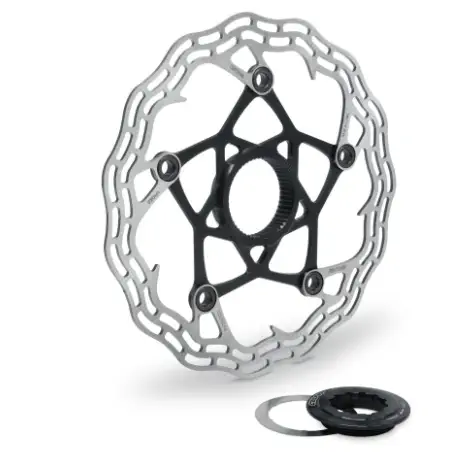
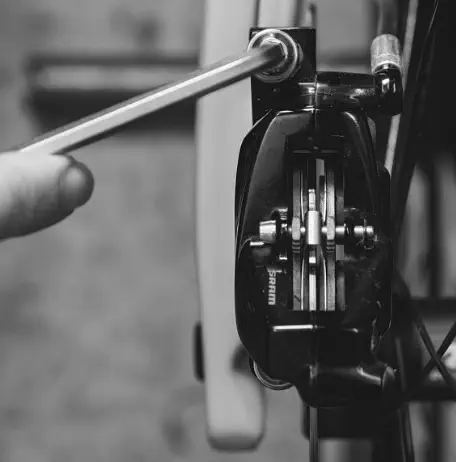
Understanding brake fluid starts with understanding the system it operates within. Hydraulic disc brakes use the principle that fluids are essentially incompressible—when you push on fluid in one place, that pressure transfers equally throughout the entire sealed system. When you squeeze your brake lever, a small piston in the lever body pushes against the fluid, creating pressure that travels through the brake hose to the caliper. There, larger pistons respond to this pressure by extending outward, pushing brake pads against the rotor. The difference in piston sizes between lever and caliper creates a hydraulic advantage, multiplying your hand force into substantial clamping pressure at the caliper.
The system's elegance lies in its simplicity. There are no cables to stretch, no housing to compress, no mechanical linkages to wear or bind. The fluid itself acts as an perfectly efficient force transmitter, transferring every bit of your lever input directly to the pads. This is why hydraulic brakes offer such superior modulation—you can feel exactly how much braking force you're applying and make minute adjustments that cable systems obscure.
However, this elegance demands precision. Air in the system compresses under pressure, creating that dreaded spongy lever feel. Contaminated or degraded fluid can damage seals and reduce braking performance. Leaks, even tiny ones, eventually drain the system of the fluid it needs to function. Understanding these vulnerabilities helps you recognise symptoms before they become dangerous failures.
The most fundamental distinction in hydraulic brake fluid is between mineral oil and DOT fluid. These are completely incompatible substances, and using the wrong type in your brakes will destroy seals and cause brake failure. This cannot be emphasised strongly enough: never mix fluid types, and always use exactly what your brake manufacturer specifies. The fluid type is typically marked on the lever body or caliper—if in doubt, consult your manufacturer or a qualified mechanic.
Mineral oil, used by Shimano, Magura, Campagnolo, and some SRAM models like the DB8, is a petroleum-derived fluid that's generally gentler on components and less hazardous to handle. It's not hygroscopic, meaning it doesn't absorb moisture from the air, which theoretically extends its service life. However, when water does enter a mineral oil system through seals or during service, it tends to pool at the lowest point—typically the caliper—where it can cause localised corrosion or freeze in cold conditions. Mineral oil is also less regulated than DOT fluid, meaning each manufacturer creates their own formulation. Shimano's mineral oil is different from Magura's Royal Blood, which is different from Campagnolo's formulation. These fluids are not interchangeable, and using the wrong mineral oil can damage your system.
DOT fluid, used by SRAM (except the DB8), Hope, Hayes, and others, is a regulated automotive-standard fluid that's hygroscopic—it actively absorbs moisture from the air. This characteristic means DOT fluid requires more frequent replacement, as absorbed water lowers the fluid's boiling point and reduces performance. However, the moisture absorption is also a benefit: water that enters the system becomes dispersed throughout the fluid rather than pooling in one location. DOT fluid is widely available from automotive suppliers and generally less expensive than proprietary mineral oils. The trade-off is that DOT fluid is corrosive to paint and requires careful handling during service.
Both fluids have high boiling points designed to exceed any temperatures your brakes will generate under normal use. DOT 5.1, the highest specification commonly used in bicycle brakes, has a dry boiling point of 270°C and a wet boiling point of 190°C. These temperatures are far above what most riders will ever experience, but sustained braking on long descents can heat fluid significantly, and fluid that's absorbed water will boil at lower temperatures, creating vapour bubbles that cause brake fade or failure.
Signs Your Brakes Need Bleeding
Recognising when hydraulic brakes need service isn't complicated if you know what to look for. The most obvious symptom is a spongy or soft lever feel. When your brake lever travels further toward the handlebar than normal, or feels squishy rather than firm, air has likely entered the system. Air compresses under pressure while fluid doesn't, so any air in your brake lines absorbs some of your lever force rather than transmitting it to the caliper. This symptom demands immediate attention—brakes that feel spongy can suddenly become brakes that don't work at all.
Reduced braking power without obvious pad wear is another indicator of fluid problems. If your pads have adequate material but your brakes don't seem to stop as effectively as they once did, contaminated or degraded fluid might be the culprit. Old fluid that has absorbed significant moisture or has been contaminated with other substances doesn't transmit force as efficiently as fresh fluid. You might also notice the lever feels inconsistent—sometimes firm, sometimes soft—which can indicate air moving around in the system.
Discoloured fluid visible through translucent reservoir windows or during bleeding indicates contamination. Fresh mineral oil is typically clear, purple, or red depending on the brand, while fresh DOT fluid is clear or slightly amber. Fluid that has turned dark, cloudy, or contains visible particles has been contaminated and should be replaced. Water contamination in mineral oil systems sometimes appears as separate droplets or a milky emulsion.
Temperature-related performance changes signal fluid issues. If your brakes work normally when cold but feel spongy after heating up on a descent, the fluid's boiling point has been compromised by moisture absorption. This is particularly dangerous because it creates unpredictable performance—fine on flat terrain but problematic when you need maximum braking on steep descents.
Finally, any visible leaks around the lever, caliper, or hose connections indicate problems that require immediate attention. Hydraulic systems are sealed by design, and any fluid that escapes is a sign that seals have failed. Small leaks can progress to major failures, so even minor weeping should be addressed promptly.
The Bleeding Process: What's Involved
Brake bleeding removes old fluid and any trapped air from the system, replacing it with fresh fluid. The process varies between brands but follows the same basic principles. You'll need the appropriate fluid for your brakes, a bleed kit specific to your brake model, protective gloves and eyewear, and some clean rags for catching spills. For DOT fluid systems, you'll also want to protect your bike's paint from any splashes, as the fluid is corrosive.
The basic procedure involves connecting syringes or bleed bottles to ports on the lever and sometimes the caliper, then pushing fluid through the system to displace old fluid and air. Most modern brakes have dedicated bleed ports that make the process cleaner and more straightforward than older designs. Shimano's systems typically use a funnel at the lever and gravity bleeding, while SRAM's Bleeding Edge system uses syringes at both ends of the system.
The process isn't technically difficult, but it does require patience and attention to detail. Any air introduced during the bleeding process must be removed, which means carefully managing fluid levels and manipulating the brake and syringes to move air bubbles toward an exit point. The process often requires multiple cycles of pushing and pulling fluid to ensure all air is removed. A single small bubble can create spongy lever feel, so thoroughness matters.
For riders comfortable with bike maintenance, brake bleeding is a manageable task. Quality bleed kits are available from Park Tool, Shimano, SRAM, and third-party manufacturers, with detailed instructions and often video tutorials available online. However, the consequences of a bad bleed—brakes that don't work properly when you need them—mean that uncertain mechanics should consider professional service.
Service Intervals: How Often Is Enough?
Determining appropriate brake service intervals depends on your brake type, riding conditions, and personal risk tolerance. As a general guideline, most manufacturers recommend annual bleeding for DOT fluid systems due to their hygroscopic nature. The fluid actively absorbs moisture from the air through seals and microscopic permeation, gradually reducing performance. For mineral oil systems, service intervals can be longer—typically every two years or when symptoms appear—though this varies based on conditions and usage.
Riders in humid environments like coastal Queensland or tropical Northern Territory should consider more frequent service, as moisture is more likely to enter systems in these conditions. Those who regularly ride in wet conditions, wash their bikes frequently, or store bikes in humid environments may find their fluid degrades faster than those in drier climates. The extreme heat of Australian summers can also accelerate fluid degradation through thermal cycling.
High-mileage riders and those who tackle significant descents should also consider more frequent service. The heat generated during sustained braking affects fluid over time, and frequent heating and cooling cycles can accelerate seal wear and fluid breakdown. Mountain bikers who regularly ride technical descents place more stress on their brake systems than casual commuters.
The cost of brake service is modest compared to the potential consequences of brake failure. Professional brake bleeding typically costs $30 to $60 per brake, depending on the shop and brake type. Doing it yourself costs less but requires purchasing appropriate fluid and a bleed kit specific to your brakes. Given that your brakes are your primary safety system, erring on the side of more frequent service is generally wise.
The Professional Advantage
While many cyclists successfully bleed their own brakes, professional service offers advantages beyond just convenience. Pedal Passion provides hydraulic brake service that includes proper bleeding, pad inspection, and system assessment by experienced mechanics. Their technicians have worked with all major brake brands and understand the specific procedures each requires.
Professional mechanics can identify subtle issues that might escape notice during home service. Worn seals that are beginning to leak, caliper pistons that aren't retracting properly, or rotors that have developed uneven wear patterns can all affect brake performance. These issues are more easily addressed during a comprehensive service than discovered on the side of a trail or road when brakes fail.
For riders who aren't confident working with hydraulic systems, professional service provides peace of mind. The consequences of a poorly executed brake bleed can be serious, and having the work done by trained technicians ensures your brakes will perform reliably when you need them. The relatively modest cost of professional service buys confidence that your primary safety system is functioning optimally.
Respecting Your Safety Systems
Hydraulic disc brakes represent one of cycling's great technological advances, transforming our ability to control speed on technical terrain and long descents. The fluid that makes these systems work demands respect and periodic attention to maintain the performance we often take for granted. Understanding the differences between mineral oil and DOT fluid, recognising the symptoms that indicate service needs, and addressing those needs promptly ensures your brakes will be there when you need them. For Australian cyclists facing diverse conditions from tropical humidity to alpine descents, maintaining properly functioning hydraulic brakes isn't just about performance—it's about safety. Whether you handle brake service yourself or rely on professional mechanics, making brake maintenance a regular part of your cycling routine ensures every ride ends with a safe stop.