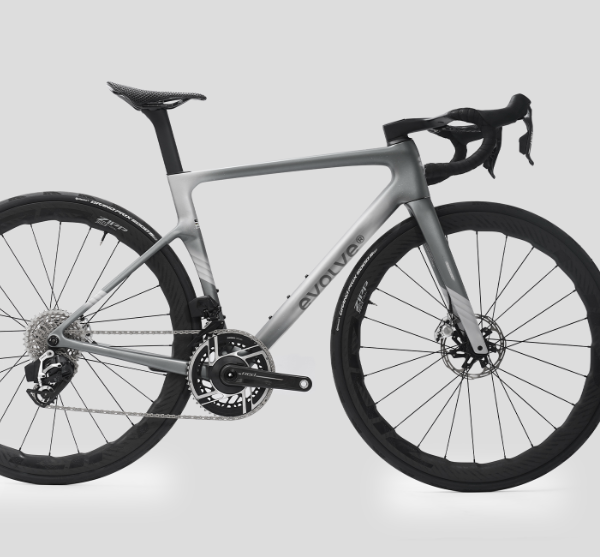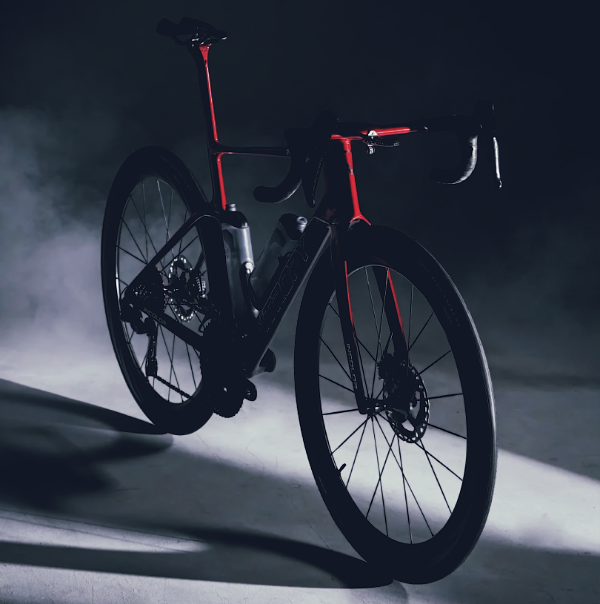
There's something cathartic about a custom-built bike. It's not just about the components you choose or the paint scheme that catches your eye—it's about creating a machine that's tailored specifically to you, your riding style, and the roads you call home. Many cyclists assume that building a modern bike is as simple as assembling Lego, snapping parts together like a child's playset. While it's true that almost anyone can physically assemble a bike, creating a truly exceptional machine that will serve you faithfully for thousands of kilometres is a completely different story. The difference between a bike that's merely assembled and one that's thoughtfully built to specification becomes painfully apparent after the first few thousand kilometres, when the novelty wears off and reality sets in in the form of creaks, rubs, and mysterious noises that shouldn't be there.
The Foundation: Frame Inspection and Preparation
Every great custom bike build begins long before the first component is installed. It starts with thorough frame inspection and preparation—a step that many amateur builders rush through or skip entirely. At Pedal Passion, every frame that enters our workshop undergoes meticulous examination. We're not just looking for cosmetic imperfections; we're checking tolerances, verifying compatibility, and identifying any potential issues that could affect performance or longevity down the track. This is particularly crucial for Australian riders, where the combination of coastal salt air, extreme heat, and varied terrain puts unique demands on our equipment.
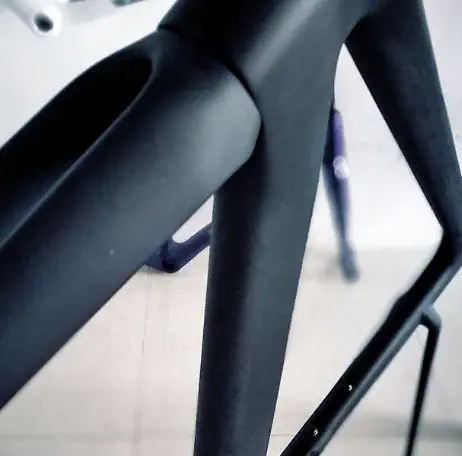
Frame preparation includes several critical steps. The bottom bracket shell must be checked for proper alignment and faced if necessary to ensure the bottom bracket sits perfectly true. The head tube needs facing to create a smooth, parallel surface for the headset bearings to sit on. Derailleur hangers require alignment to ensure precise shifting. Cable guides and routing ports need inspection to prevent future cable rub or routing issues. Each of these steps might seem minor on its own, but together they form the foundation of a bike that will perform flawlessly for years rather than one that develops issues within months.
Next, check your pedals. Remove them, clean the threads thoroughly, apply fresh grease, and reinstall to proper torque specifications. Pedal threads are particularly prone to creaking because they experience significant stress from pedalling forces and are exposed to contamination from road spray and trail debris. If your pedals have serviceable bearings, inspect them for wear or contamination. Some pedal designs require periodic bearing service that's often overlooked until problems arise.
Chainring bolts represent another common source of clicking that mimics bottom bracket noise. These small bolts experience tremendous cyclical loading with every pedal stroke and can loosen over time, creating movement between chainring and crank spider. Remove each bolt, clean thoroughly, apply thread locker or grease as appropriate for your specific bolts, and reinstall to specification. Many mechanics recommend checking chainring bolts as routine maintenance every few months, especially for riders who regularly encounter rough surfaces.
The seatpost and saddle interface generates clicking that often masquerades as bottom bracket noise. Your body weight on the saddle creates forces that resonate through the frame, and any movement at the seatpost-clamp or saddle-rail interfaces can produce sounds that seem to come from below. Remove your seatpost, clean both the post and the inside of the seat tube, apply a thin layer of carbon paste or grease (depending on post material), and reinstall. Check saddle rail bolts and ensure your saddle isn't cracked or delaminating. A loose seatpost binder bolt can also create noise that seems to come from the bottom bracket.
Understanding Local Riding Conditions
Aussie cyclists face conditions that are anything but average, and this reality should influence every aspect of a custom build. Brisbane's coastal environment presents a perfect storm of challenges: salt air that's corrosive to metals, high humidity that can accelerate degradation, and temperatures that regularly climb into the mid-30s during summer months. A custom bike built for these conditions isn't just about selecting components that look good—it's about making informed choices that will stand up to the harsh Australian climate.
Coastal riders need to consider corrosion-resistant hardware, appropriate bearing seals, and materials that won't deteriorate rapidly in salt-laden air. The frame protection that Pedal Passion applies isn't just cosmetic—it's a critical barrier against the abrasive combination of salt air and road grit that can quickly compromise carbon frames. This level of environmental consideration is rarely found in factory-built bikes, which are designed to perform adequately across a broad range of conditions but are rarely optimised for specific local environments.
Component Selection: Beyond the Brand Names
The world of bicycle components has become increasingly sophisticated, with wireless groupsets, electronic shifting, and integrated cockpits dominating the high-end market. While these technologies offer genuine benefits, they also introduce new complexities that must be managed during the build process. A poorly installed wireless groupset might shift perfectly for the first thousand kilometres, but without proper frame preparation and cable routing considerations, it can develop mysterious connection issues or battery life problems that leave riders frustrated.
Component selection for Australian conditions goes beyond simply choosing the highest-spec parts within your budget. It involves understanding how different materials perform in heat, how various bearing systems cope with dust and grit, and which fasteners are most likely to seize in salt air. At Pedal Passion, we've developed deep knowledge of which components thrive in our local conditions and which require additional protection or more frequent maintenance. This local expertise is something you simply can't get from ordering parts online and assembling them yourself.
The Hidden Dangers of Poor Preparation
What happens when frame preparation is neglected? The problems can range from annoying to dangerous. Creaking bottom brackets are perhaps the most common complaint—they're often caused by slight misalignments in the bottom bracket shell or improper facing that allows movement between components. This movement creates microscopic wear that generates noise and accelerates component deterioration. What starts as an occasional creak can develop into a significant safety issue if left unaddressed.
Disc brake rub is another common issue that stems from poor build quality. Brakes that rub constantly create drag, reduce efficiency, and can generate excessive heat that damages components. This is particularly problematic in Australian conditions, where riders often tackle long descents that test brake systems to their limits. A properly built bike will have brakes that perform consistently without rubbing, but this requires precise installation of the callipers, proper rotor truing, and attention to frame tolerances that many amateur builders overlook.
What sets a truly exceptional custom build apart from an adequate one? It's attention to details that most riders never see but will appreciate every time they ride. It's the application of the correct threadlocker to prevent bolts from loosening in Australian conditions. It's the proper lubrication of all interfaces to prevent galvanic corrosion between dissimilar metals. It's the precise torque specification applied to every fastener, ensuring components are secure without being over-tightened to the point of damage.
The Pedal Passion Difference
At Pedal Passion, we don't just build bikes—we build relationships with riders who appreciate the difference that quality makes. Our custom builds aren't mass-produced; they're thoughtfully assembled machines designed to deliver peak performance in Australian conditions. Every bike that leaves our workshop has been thoroughly inspected, tested, and refined to ensure it meets our exacting standards. We understand that your bike is a significant investment, and we treat it with the care and attention that investment deserves.
Building for the Long Term
The true value of a properly prepared custom bike becomes apparent over time. While a poorly built bike might ride smoothly for the first few thousand kilometres, it will likely develop issues that require constant attention and eventual component replacement. A bike that's been built with proper frame preparation and attention to detail, however, will continue to perform beautifully for years with minimal intervention. This longevity isn't just about saving money on repairs—it's about the peace of mind that comes from knowing your bike is reliable and safe, ride after ride.
For Australian riders who demand the best from their equipment, investing in proper custom bike building makes perfect sense. The initial investment might be higher than buying off the shelf, but the long-term benefits in performance, reliability, and enjoyment are substantial. When you're climbing the steep hills of Mount Coot-tha or descending the winding roads of the Sunshine Coast hinterland, you want to know that your bike is up to the task—and that confidence comes from quality construction that begins with proper frame preparation.