If there's one component that has caused more confusion in the cycling world over the past two decades, it's the humble bottom bracket. Once a simple choice between English or Italian threaded options, the bottom bracket landscape has exploded into a bewildering array of "standards"—BB90, PF86, BB30, T47, SRAM DUB, and more—that has even experienced mechanics scratching their heads. The proliferation of these systems reflects genuine engineering goals: wider bottom bracket shells for increased stiffness, larger spindles for improved power transfer, and lighter weight through reduced hardware. Yet the complexity has also created genuine headaches for cyclists trying to understand what fits their frame and what upgrades are possible. Understanding bottom bracket standards isn't just academic knowledge—it's essential for anyone buying a bike, upgrading components, or simply trying to maintain their current ride. Let's cut through the confusion and explore what each standard actually offers, with particular attention to which ones make sense for Australian riders and conditions.
The Threaded Renaissance: BSA's Enduring Appeal
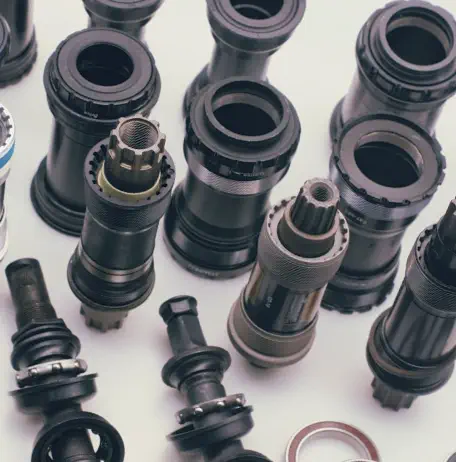
The traditional BSA (British Standard Association) threaded bottom bracket, also called English threaded, represents cycling's original and still most reliable standard. This design threads directly into the frame's bottom bracket shell, typically with left-hand threads on the drive side and right-hand threads on the non-drive side. The threading prevents loosening under pedaling forces—a clever engineering solution that has served cyclists for over a century. Modern external cup threaded bottom brackets, popularised by Shimano's Hollowtech II system, move the bearings outside the frame, enabling larger 24mm spindles that significantly improve stiffness over older square-taper designs.
Threaded bottom brackets offer compelling advantages that explain their resurgence. Serviceability stands as the primary benefit. Removing and installing a threaded bottom bracket requires only a standard bottom bracket tool available at any bike shop or home mechanic's toolbox. The threaded interface provides consistent retention without the creaking that can plague press-fit systems. Furthermore, the frame interface can be machined or "faced" if needed, ensuring perfect alignment that's impossible with press-fit designs. For home mechanics or riders who prefer to handle their own maintenance, threaded systems are simply easier to work with.
That said, threaded designs have genuine limitations. The narrower 68mm shell constrains frame design, limiting how wide the downtube and chainstays can be at the bottom bracket junction. This affects potential tyre clearance and overall frame stiffness. Threaded bottom brackets are also heavier than their press-fit equivalents, though the weight difference is typically measured in tens of grams rather than hundreds. Perhaps most importantly, the requirement for a metal insert in carbon frames adds manufacturing complexity, particularly for the standard 68mm threaded shell.
Despite these limitations, many manufacturers have returned to threaded designs in recent years. Cannondale's SuperSix EVO, one of the world's most advanced road bikes, abandoned BB30 for BSA threaded in its fourth generation. This trend reflects rider demand for reliability and quiet operation over marginal performance gains. For Australian cyclists who value straightforward maintenance and long-term reliability, threaded bottom brackets remain an excellent choice.
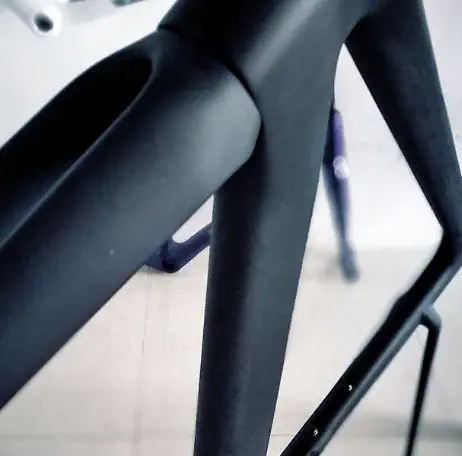
Press-fit bottom brackets emerged in response to frame designers' desire for wider bottom bracket shells without the weight and complexity of threaded inserts. These systems press bearings or bearing cups directly into precision-machined openings in the frame, typically with shell widths of 86.5mm (BB86) or 91.5mm (BB92). The advantages include lighter weight than threaded alloy cups, increased frame stiffness through wider shell dimensions, and greater tyre clearance as chainstays can be positioned further apart. From a pure engineering standpoint, press-fit systems make a compelling case.
BB86 and BB92 use bearing locations identical to threaded systems, only mounted in small composite cups before pressing into the frame. This maintains compatibility with standard 24mm external crank spindles while gaining the benefits of the wider shell. Many major manufacturers embraced these systems, including Scott, Giant, and Pivot, making them among the most common press-fit standards on older road and mountain bikes.
BB30 and its variants took a different approach, increasing spindle diameter to 30mm while keeping shell width at 68mm. The larger aluminium spindle promised weight savings and stiffness gains, while the narrow shell provided improved heel clearance for some riders. Press-fit BB30 bearings sit directly in the frame rather than in cups, requiring exceptionally precise machining. The result is a system that can work beautifully when executed perfectly but suffers from reliability issues when tolerances drift even slightly.
PF30 addressed BB30's tolerance issues by adding composite cups between bearings and frame, making the system more forgiving to frame manufacturing variations. Specialized called this OSBB (over-size bottom bracket) on their bikes, while other manufacturers use different terminology. The cups allow looser manufacturing tolerances and can incorporate better bearing seals, though at the cost of additional weight.
The fundamental problem with all press-fit systems is creaking. The metal-on-carbon or composite-on-carbon interfaces can develop gaps over time due to thermal expansion, frame flex, or microscopic surface degradation. This creates the dreaded bottom bracket creak that has driven countless cyclists to distraction. While press-fit systems can be perfectly quiet when installed correctly with quality components and proper preparation, they require more attention to detail than threaded systems.
T47 emerged in 2015 as a collaboration between Chris King and Argonaut Cycles, attempting to combine the best features of threaded and press-fit designs. T47 uses the same 46mm internal diameter as PF30 but threads into the frame rather than pressing. This provides the wide shell diameter that frame designers crave while eliminating the metal-on-carbon interfaces that cause creaking in press-fit systems. The design has gained significant traction, with manufacturers including Trek now adopting it across their product range.
From a service perspective, T47 operates like a threaded bottom bracket. You use a bottom bracket tool to thread cups into the frame rather than pressing bearing assemblies. The threaded interface resists creaking and provides consistent retention without requiring frame re-machining. Installation and removal don't require specialised bearing presses, though you do need T47-specific tools. The system accepts virtually any crank on the market, making it incredibly versatile for bike builders and upgraders.
The downside of T47 is primarily weight and manufacturing complexity. The threaded cups require more metal than press-fit designs, adding grams to the frame. The threading process also adds cost and complexity to frame manufacturing, particularly for carbon frames. However, these penalties have proven acceptable to manufacturers and riders who value T47's reliability and creak-free operation.
For Australian riders, T47 represents an excellent compromise. The wide shell enables modern frame designs with adequate clearance for the wider tyres that many riders prefer on our varied terrain. The threaded interface provides the long-term reliability that our climate and conditions demand. The serviceability means you can work on your own bike or take it to any competent mechanic without worrying about proprietary press-fit tools. While T47 isn't the cheapest option, it offers perhaps the best balance of performance, reliability, and maintainability for serious cyclists.
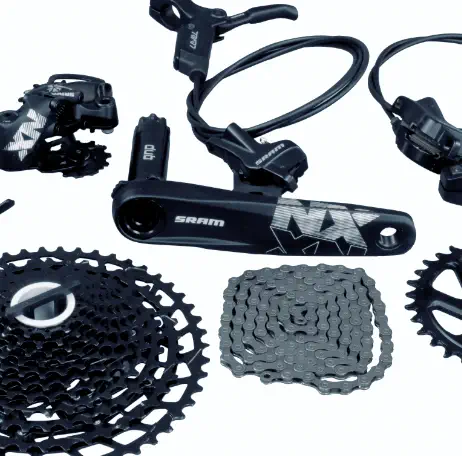
SRAM's DUB (Durable, Unifying Bottom Bracket) system represents a different approach to the standards problem. Rather than designing a new bottom bracket shell standard, SRAM created a crank spindle diameter of 28.99mm that sits between traditional 24mm and modern 30mm spindles. This slightly smaller 30mm spindle enables the use of bearings in the same axial location across multiple bottom bracket standards, allowing one crank design to fit BSA, PF86, PF92, BB30, and PF30 frames (with appropriate bottom brackets).
The DUB approach provides genuine benefits for SRAM users. You can swap the same crank between different bikes without changing cranks, which is valuable for riders with multiple bikes or those upgrading frames. The unifying approach also simplifies inventory for bike shops and makes it easier to find replacement parts. From SRAM's perspective, DUB strengthens their ecosystem by making their cranks more universally compatible.
However, DUB remains a proprietary system. Your DUB crank won't work with Shimano bottom brackets or other brands' components. The 28.99mm spindle diameter is slightly smaller than full 30mm spindles, which may sacrifice a marginal amount of stiffness, though the real-world impact is negligible for most riders. DUB bottom brackets are also specific to SRAM cranks, limiting interchangeability with other brands.
Despite these limitations, DUB has proven popular and is now widely adopted across SRAM's road, mountain, and gravel product ranges. For riders who commit to SRAM's ecosystem, DUB provides excellent versatility and future-proofing across multiple frame standards.
Making Your Choice: Matching Standard to Needs
Choosing the right bottom bracket standard starts with understanding what your frame actually requires. The bottom bracket shell is a fixed dimension that cannot be changed without significant modification. Your standard is essentially chosen for you by the frame manufacturer, though you do have options within that constraint. Most modern frames will be BSA threaded, T47 threaded, or one of the press-fit variants. Once you know what your frame accepts, you can work within that system to optimise for your needs.
If you have a threaded frame, count yourself fortunate. BSA threaded offers the most straightforward serviceability and excellent reliability. If your budget allows, consider upgrading to high-quality bearings from manufacturers like Chris King, Enduro, or Praxis. These aftermarket options often provide better seals and smoother rotation than stock units. For press-fit frames, consider threaded-together bottom brackets like those from Wheels Manufacturing. These innovative units thread the drive side into the frame and use a large wrench to thread the non-drive side through, effectively creating a threaded system within a press-fit frame.
For riders considering new bike purchases, the bottom bracket standard should factor into your decision. If you value reliability and straightforward maintenance, prioritise frames with threaded shells (BSA or T47). If you're chasing maximum stiffness-to-weight and accept the potential for occasional creaking, press-fit systems can work beautifully when properly installed with quality components. Consider your mechanical aptitude honestly. If you're comfortable with bearing presses and precise installation, press-fit systems are manageable. If you prefer wrenching with standard tools, threaded designs will serve you better.
Professional Service: When to Call the Experts
Pedal Passion's bottom bracket service, starting from $35, includes crank safety checks and detailed bearings cleaning and regreasing. For riders who don't own bottom bracket tools or feel uncomfortable with the precise adjustments required by press-fit systems, professional service represents excellent value. The price point makes regular bottom bracket maintenance accessible, particularly given the importance of this component to your overall riding experience.
Consider professional service if you're experiencing creaking that you can't resolve, if you've crashed and suspect bottom bracket damage, or if you're simply overdue for maintenance. Experienced mechanics have the tools, knowledge, and experience to diagnose and resolve issues that might elude less experienced hands. They also have access to quality replacement parts and can recommend upgrades that improve performance and longevity.
Finding Your Path Through Standards
The bottom bracket landscape may seem complex, but understanding the fundamental differences between threaded, press-fit, and T47 systems helps you make informed decisions. Threaded designs offer the best reliability and serviceability, press-fit systems provide weight and stiffness advantages at the cost of occasional creaking, and T47 combines the best features of both. SRAM DUB offers universal compatibility within SRAM's ecosystem, while the dizzying array of other standards—BB30, PF30, BBRight, BB386 EVO—serve as lessons in over-engineering that the industry is gradually moving away from.
For Brisbane cyclists facing challenging conditions and long distances between bike shops, reliability should be a primary consideration. Threaded bottom brackets, whether traditional BSA or modern T47, provide the peace of mind that comes from knowing you can service your components with standard tools and expect creak-free operation. If you're stuck with a press-fit frame, quality aftermarket bottom brackets and meticulous installation can deliver excellent performance. Your bottom bracket sits at the heart of your power transfer system—choose wisely, maintain it well, and it will reward you with thousands of kilometres of silent, efficient pedalling across Australia's magnificent landscape.