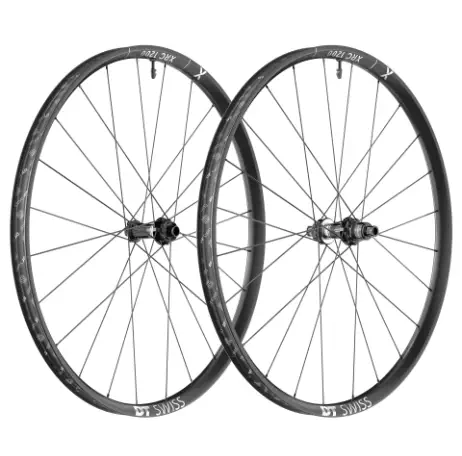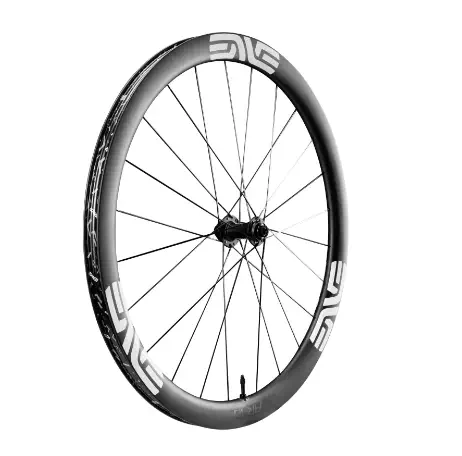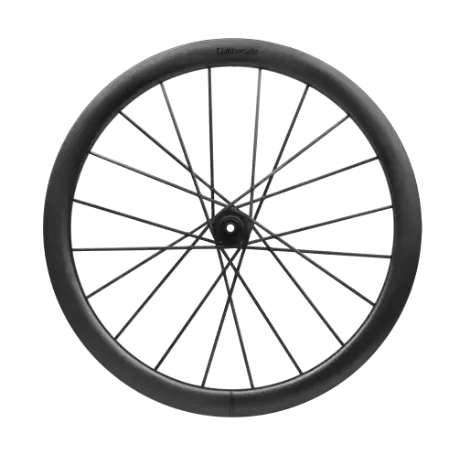
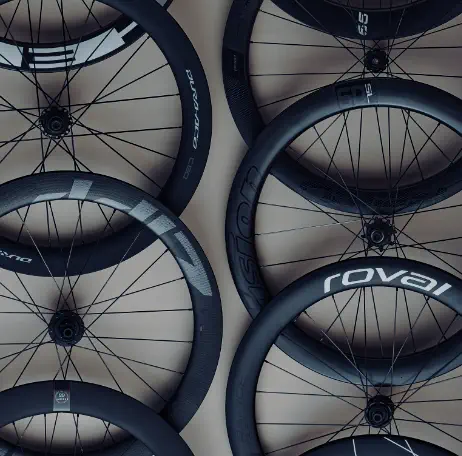
Building a great wheelset isn't just about technical execution—it's about making the right decisions before the first spoke is ever laced. The reality is that the perfect wheel configuration for one rider might be completely wrong for another, and the wheels that excel in the rolling hills of Victoria's Yarra Valley might struggle in the coastal headwinds of Queensland's Sunshine Coast. Australian cyclists face a uniquely diverse set of conditions, from the scorching heat of the Outback to the salt-laden air of coastal cities, from the smooth tarmac of metropolitan bike paths to the rugged gravel roads of regional Australia. Understanding how to navigate this complex landscape of options is the key to building wheels that don't just look impressive but genuinely serve your riding needs.
Understanding Your Terrain Profile
The first step in selecting the perfect wheel configuration is to honestly assess the terrain you actually ride, not the terrain you dream about riding. It's tempting to build wheels optimised for epic alpine climbs or European-style cobblestones, but if your real riding consists of flat coastal roads and the occasional hill, you might be compromising daily performance for occasional use. Australian terrain varies dramatically—the long, steady climbs of the Adelaide Hills demand different wheels than the short, punchy rollers of the Northern Beaches in Sydney. The rough chipseal surfaces common in regional areas create different requirements than the pristine roads of Melbourne's Beach Road.
Consider the elevation profile of your typical rides. Do you spend hours grinding up sustained climbs at 6-8% gradient, or are your climbs short and sharp? Do you regularly descend at high speed, demanding wheels that inspire confidence and maintain true alignment under heavy braking forces? Australian descents can be particularly demanding—the long sweepers of Mount Glorious in Brisbane, the technical drop-offs of Mount Buller, the exposed, wind-swept descents of Tasmania's West Coast. Your wheel configuration should match the demands of your actual riding terrain.
Weight vs. Aerodynamics: Finding Your Sweet Spot
The eternal debate in wheel design—weight versus aerodynamics—is particularly nuanced for Australian conditions. Light wheels excel on steep climbs and accelerate quickly, while aerodynamic wheels maintain speed more efficiently on flat terrain. The optimal balance depends heavily on your riding profile. Riders who primarily tackle the climbing routes around Perth's Darling Range might prioritise weight savings, while criterium racers on flat circuits in Adelaide might lean heavily toward aerodynamic efficiency.
However, Australian conditions add another dimension to this decision. Coastal riders regularly face headwinds that can sap energy and make aerodynamic wheels significantly more beneficial. The persistent sea breezes common in Sydney, Melbourne, and other coastal cities create conditions where wheel aerodynamics can provide meaningful performance advantages. Conversely, riders in hilly inland areas might find that the benefits of lighter wheels outweigh aerodynamic concerns, particularly if their rides involve multiple repeated climbs. At Pedal Passion, we work with riders to understand their actual conditions and help them find the sweet spot that optimises performance for their specific situation.
Rim Depth: The Goldilocks Choice
Rim depth selection is one of the most important decisions in wheel configuration, and it's also one of the most misunderstood. While deeper rims generally offer better aerodynamics, they also present handling challenges in crosswinds—a particularly relevant consideration for Australian riders who regularly contend with gusty coastal winds. The flat, exposed roads of South Australia's Fleurieu Peninsula can experience wind conditions that make 60mm deep rims terrifying to handle, while the sheltered roads of Canberra's interior might allow deeper rims to be used safely.
The trend toward deeper rims has led many riders to choose profiles that are deeper than optimal for their conditions. Mid-depth rims (35-45mm) often represent the best compromise for Australian riding—they provide meaningful aerodynamic benefits while maintaining stability in the variable wind conditions common in many parts of the country. Riders in particularly windy areas might even opt for shallower profiles (25-30mm), prioritising control over aerodynamics. The key is to choose a depth that matches your local conditions and your confidence level in crosswinds—there's no point having aero wheels if you're too nervous to ride them in your typical conditions.
Internal Rim Width and Tyre Compatibility
Modern wheel design has seen a significant shift toward wider internal rim widths, and this trend offers real benefits for Australian riders. Wider internal widths (19-21mm+) create better tyre profiles, improve comfort, and can reduce rolling resistance. For Australian riders who often contend with rough road surfaces, the comfort improvements from properly paired rim and tyre widths can be significant, reducing fatigue and improving control on less-than-perfect pavement.
The relationship between rim width and tyre selection is crucial. Running 28mm road tyres on a 21mm internal rim creates an optimal profile that balances aerodynamics with comfort. For gravel riders, wider rims paired with appropriate tyre widths can create a more stable platform for off-road riding. At Pedal Passion, we help riders navigate these relationships, ensuring that their rim selection works harmoniously with their tyre choices and riding requirements. This integrated approach is often missing when riders select wheels based on spec sheets without considering the complete system.
Hub Selection: The Heart of Your Wheels
Hubs are often overlooked in wheel configuration discussions, but they play a crucial role in wheel performance and maintenance requirements. For Australian riders, hub selection must consider several factors: durability in harsh conditions, bearing quality, engagement speed, and maintenance requirements. Coastal riders dealing with salt air need hubs with superior sealing and corrosion resistance. Riders in dusty inland areas benefit from hubs with robust dust protection. The hub choice that works perfectly for a Melbourne commuter might fail quickly in the corrosive environment of a Perth coastal rider.
Different hub manufacturers excel in different areas. Chris King hubs offer legendary durability and engagement but require specific maintenance routines. DT Swiss hubs provide excellent reliability across diverse conditions and are particularly well-suited to Australian riding. Industry Nine hubs offer instant engagement that many riders love, though the complex internal mechanism requires more attention. At Pedal Passion, we've worked with virtually every major hub brand and understand their strengths, weaknesses, and maintenance requirements. We help riders select hubs that match their conditions and maintenance preferences, rather than simply choosing the brand with the best marketing.
Spoke Count and Lacing Patterns
The choice of spoke count and lacing pattern significantly affects wheel durability and ride quality. Factory wheels often minimise spoke count to save weight, but this approach can compromise durability, particularly for heavier riders or those who ride on rough surfaces. Australian country roads, with their share of potholes and rough patches, demand wheels that can absorb impacts without developing structural issues. Custom wheel building allows optimisation of spoke count based on rider weight, power output, and riding conditions.
Lacing patterns also affect wheel characteristics. Three-cross lacing provides excellent durability and is suitable for most applications, while two-cross lacing offers slightly less weight at the cost of some durability. Radial lacing looks clean and can reduce weight, but it's less durable and not suitable for all applications. The choice between these patterns depends on the wheel's intended use and the rider's priorities. At Pedal Passion, we don't just default to one pattern—we select the optimal lacing pattern for each wheel based on its specific requirements.
Australian conditions present unique challenges that must inform wheel configuration decisions. The combination of extreme heat, intense UV exposure, salt air, and variable road quality creates an environment that's particularly demanding on wheels. Wheels that perform beautifully in European racing conditions might struggle in the harsh Australian environment, and configuration choices must account for these local factors.
Heat management is particularly important for riders who train in Australian summer conditions.
Carbon rims can reach high temperatures during long descents, and managing this heat is essential for safety and performance. The choice of rim brake track (for rim brake wheels) or disc rotor mounting systems must consider heat dissipation requirements. Similarly, tyre and tube choices must account for hot pavement temperatures that can affect rolling resistance and puncture risk. At Pedal Passion, our local experience helps us navigate these environmental considerations, ensuring that wheel configurations are optimised for Australian conditions rather than generic requirements.
Budget vs. Performance: Making Smart Choices
Wheel building represents a significant investment, and finding the right balance between budget and performance is essential. The most expensive wheels aren't always the best choice for every rider, and intelligent component selection can often achieve excellent performance without breaking the bank. By prioritising the aspects that matter most for your riding, you can build wheels that perform exceptionally within your budget constraints.
For many riders, investing in quality hubs and bearings while using mid-range rims can provide excellent performance and durability. Others might prioritise rim quality while using more modest hub choices. The key is understanding which factors most affect the riding experience you value and allocating your budget accordingly. At Pedal Passion, we work with riders across all budget levels, helping them make informed choices that deliver maximum performance for their investment.
The Pedal Passion Consultation Process
At Pedal Passion, we've developed a comprehensive consultation process that goes far beyond simply taking an order. We want to understand your riding, your goals, your local conditions, and your budget before making any recommendations. This consultative approach ensures that every wheel we build is perfectly matched to its intended use, rather than being a generic solution that's adapted to your needs after the fact.
We ask about your riding profile: How often do you ride? What's your typical route? What conditions do you encounter regularly? What are your performance goals? We want to know about your body: your weight, your power output, your riding style. We want to understand your maintenance preferences: Are you comfortable doing basic maintenance yourself, or do you prefer to bring wheels to us for service? All of these factors influence the optimal wheel configuration, and taking the time to understand them allows us to make recommendations that truly serve your needs.